Cold Email in 2026: What Actually Works and Why
Cold email still wins in 2026 when it is done right. Learn what separates promotions that land in the inbox from ones that vanish into spam, and how a self-hosted setup gives you full control over deliverability.
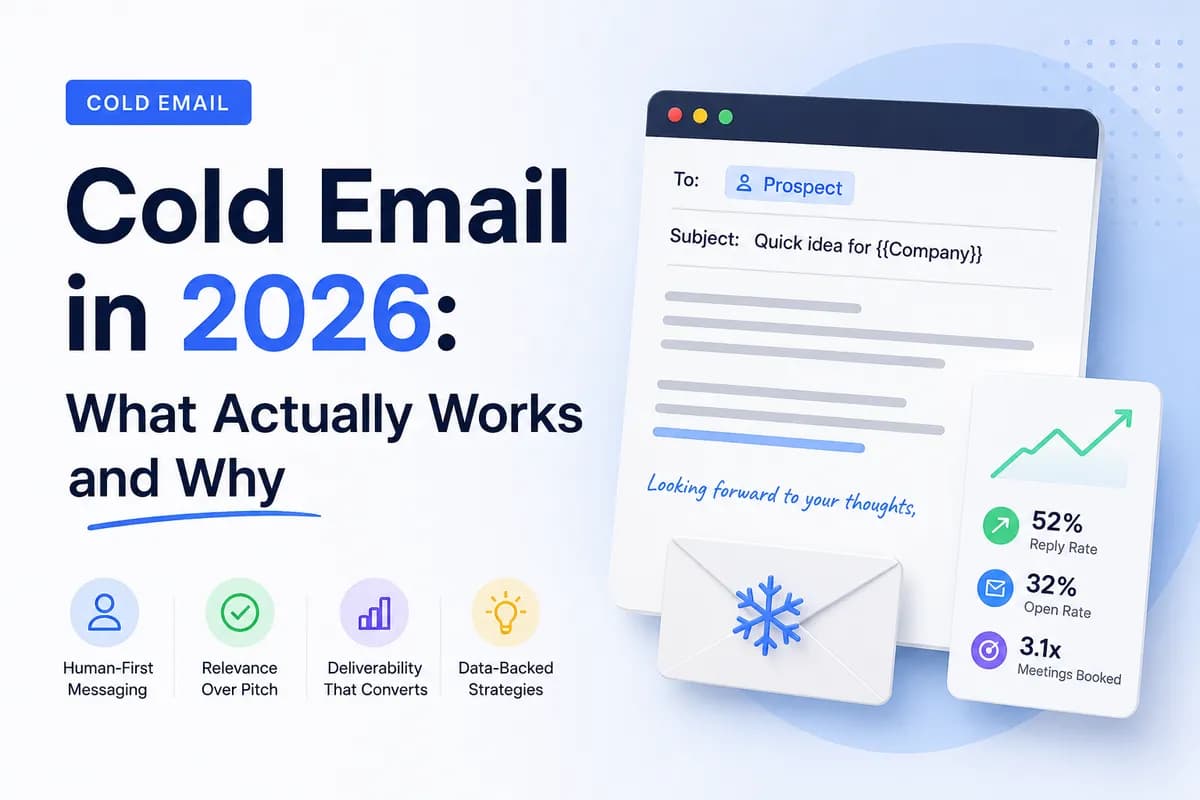
Cold email gets a bad reputation, but the truth is simple: it still works better than almost any other outbound channel when you respect the inbox. The difference between a campaign that books meetings and one that gets flagged as spam comes down to a handful of fundamentals. Let's break them down.
What "good" cold email actually means
A good cold email is relevant, personal, and easy to reply to. It is not a sales pitch dressed up as a greeting. The best-performing messages share three traits:
- Relevance — it speaks to a problem the recipient actually has.
- Brevity — it respects the reader's time and gets to the point in a few short lines.
- A single, soft ask — one clear next step, not five.
Why deliverability is the real game
You can write the perfect message, but if it never reaches the inbox, none of it matters. Deliverability is influenced by your sending infrastructure, domain reputation, authentication records, and sending patterns.
The average inbox provider judges you on consistency and reputation long before it reads your subject line.
This is exactly why so many senders move away from shared platforms. On a shared service you inherit the reputation of every other sender on the same IPs. One bad actor can sink your deliverability overnight.
The pillars of inbox placement
- Authentication: SPF, DKIM, and DMARC must be correctly configured for every sending domain.
- Warmup: Ramp volume gradually so providers learn to trust your domain and IPs.
- List hygiene: Remove invalid and risky addresses before you send. Bounces and spam traps destroy reputation.
- Engagement: Opens, replies, and low complaint rates tell providers your mail is wanted.
Personalization at scale
Personalization is not just inserting a first name. It is segmenting your audience and tailoring the angle of your message to each group. A founder cares about growth; an operations lead cares about saving time. The more your message reflects the reader's world, the higher your reply rate.
Why self-hosting changes everything
When you control your own sending infrastructure, you control your reputation, your data, and your sending limits. There is no shared pool dragging you down, no per-email pricing, and no platform deciding what you can and cannot send.
This is the philosophy behind Choco Mailer — a self-hosted bulk email platform that deploys straight to your own server. You get full SMTP, Microsoft Graph API, and Firebase sending support, with complete ownership of your campaigns and contacts.
What you gain with a self-hosted approach
- Dedicated reputation that you build and protect.
- No per-message fees — send as much as your server allows.
- Your contact data stays on your own infrastructure.
- Multiple sending methods (SMTP, Graph API, Firebase) under one roof.
A simple checklist before your next campaign
- Verify SPF, DKIM, and DMARC on every sending domain.
- Clean your list and remove risky addresses.
- Warm up new domains and IPs slowly.
- Write short, relevant, single-ask messages.
- Track replies and complaints, not just opens.
Cold email is not dead. Lazy cold email is. Get the fundamentals right, own your infrastructure, and the inbox opens up.
Ready to take control of your sending? Explore Choco Mailer and run your campaigns on your own terms.
Related Articles
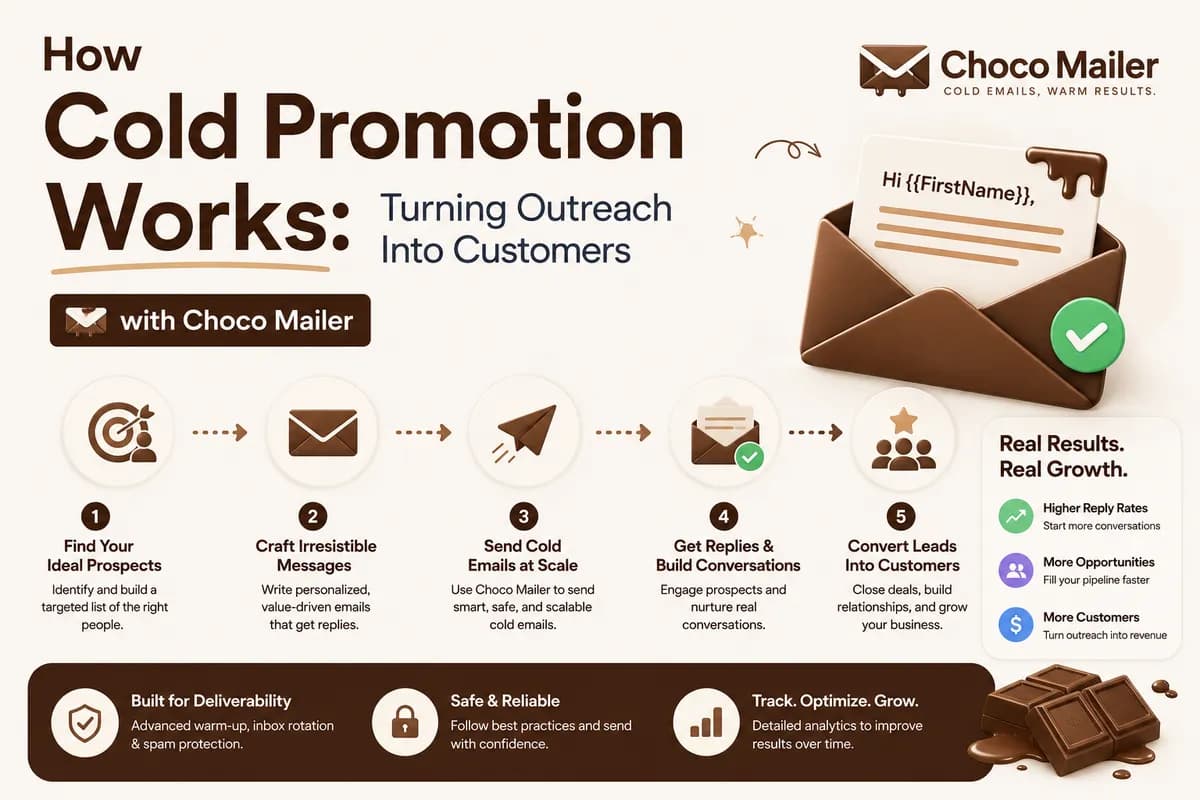
How Cold Promotion Works: Turning Outreach Into Customers with Choco Mailer
Cold promotion is more than blasting emails. It is a system of targeting, sequencing, and measuring. Here is how to build a cold promotion engine that converts, and how Choco Mailer powers it on your own server.
Read more →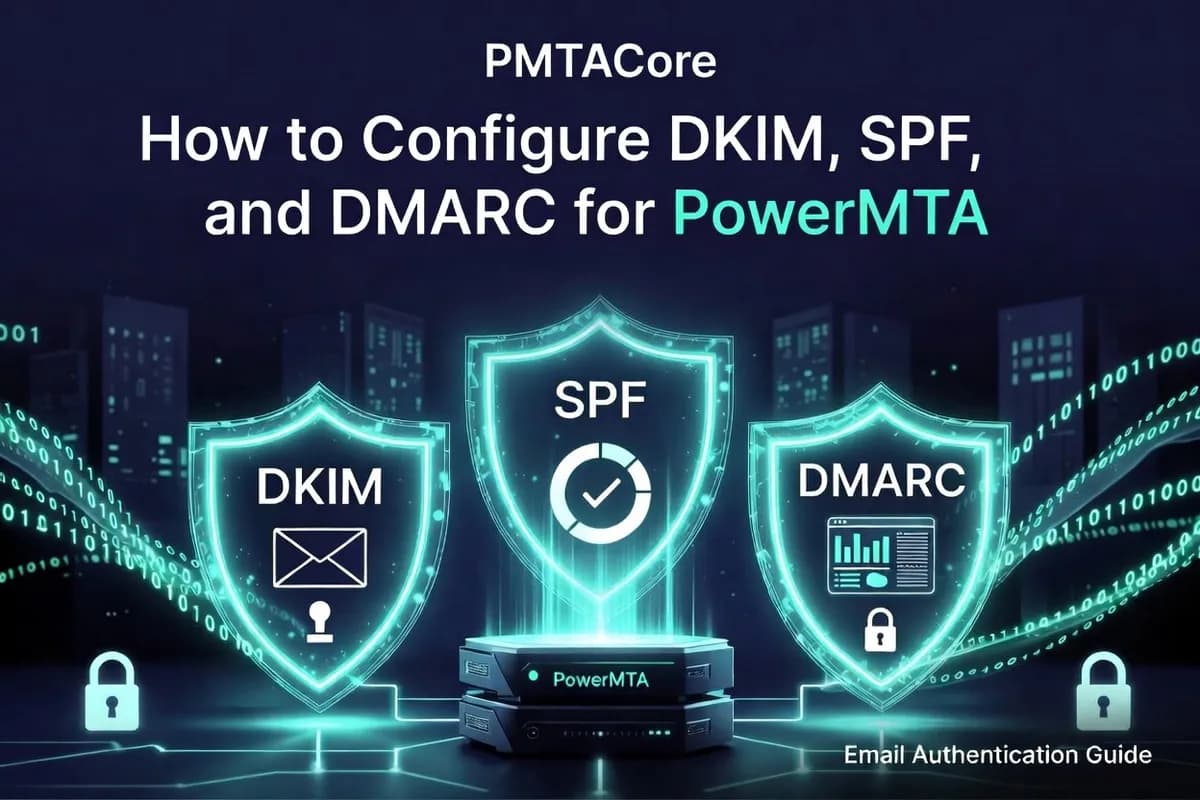
How to Configure DKIM, SPF, and DMARC for PowerMTA
Proper email authentication is the difference between landing in the inbox and landing in spam. This guide shows you how to set up DKIM, SPF, and DMARC for PowerMTA.
Read more →